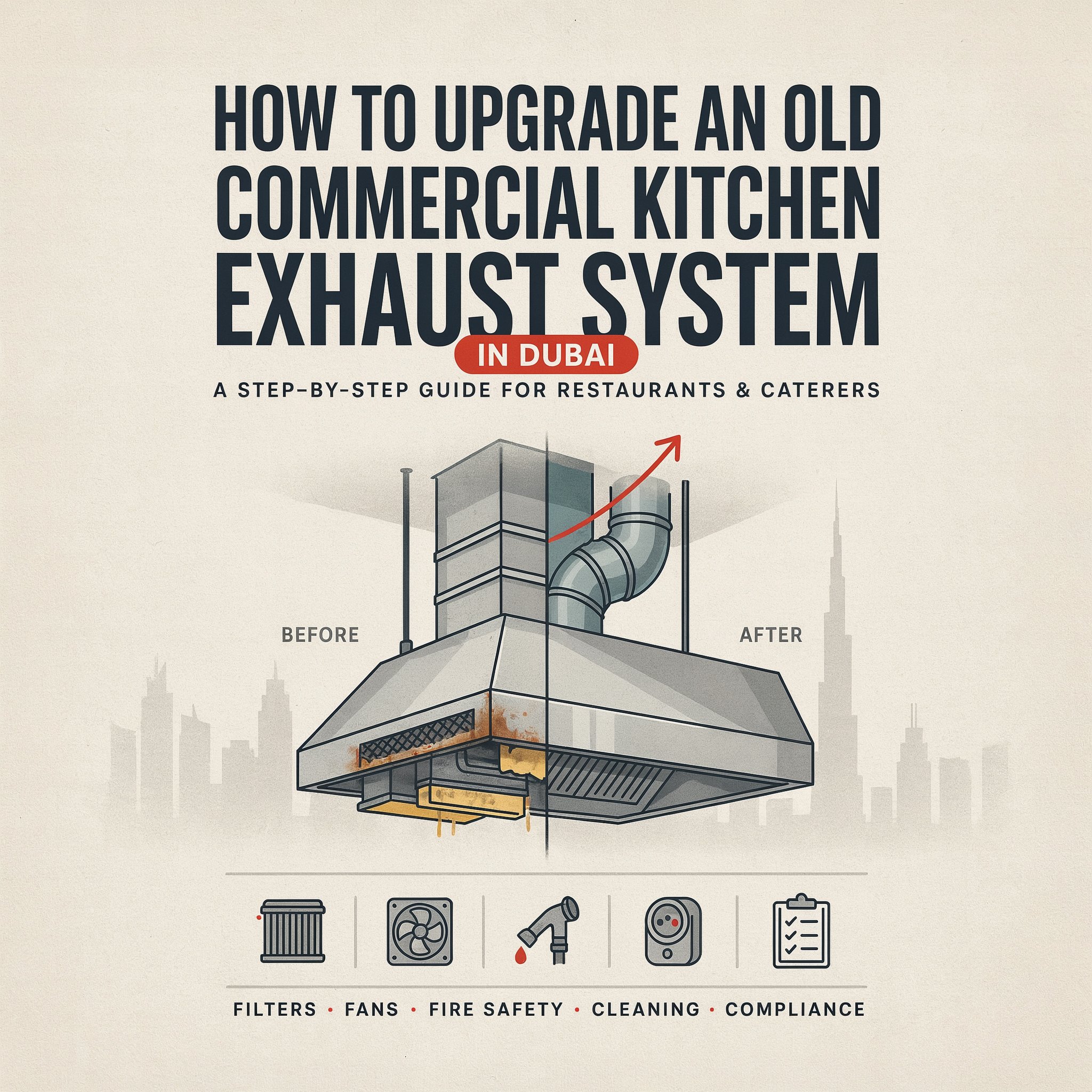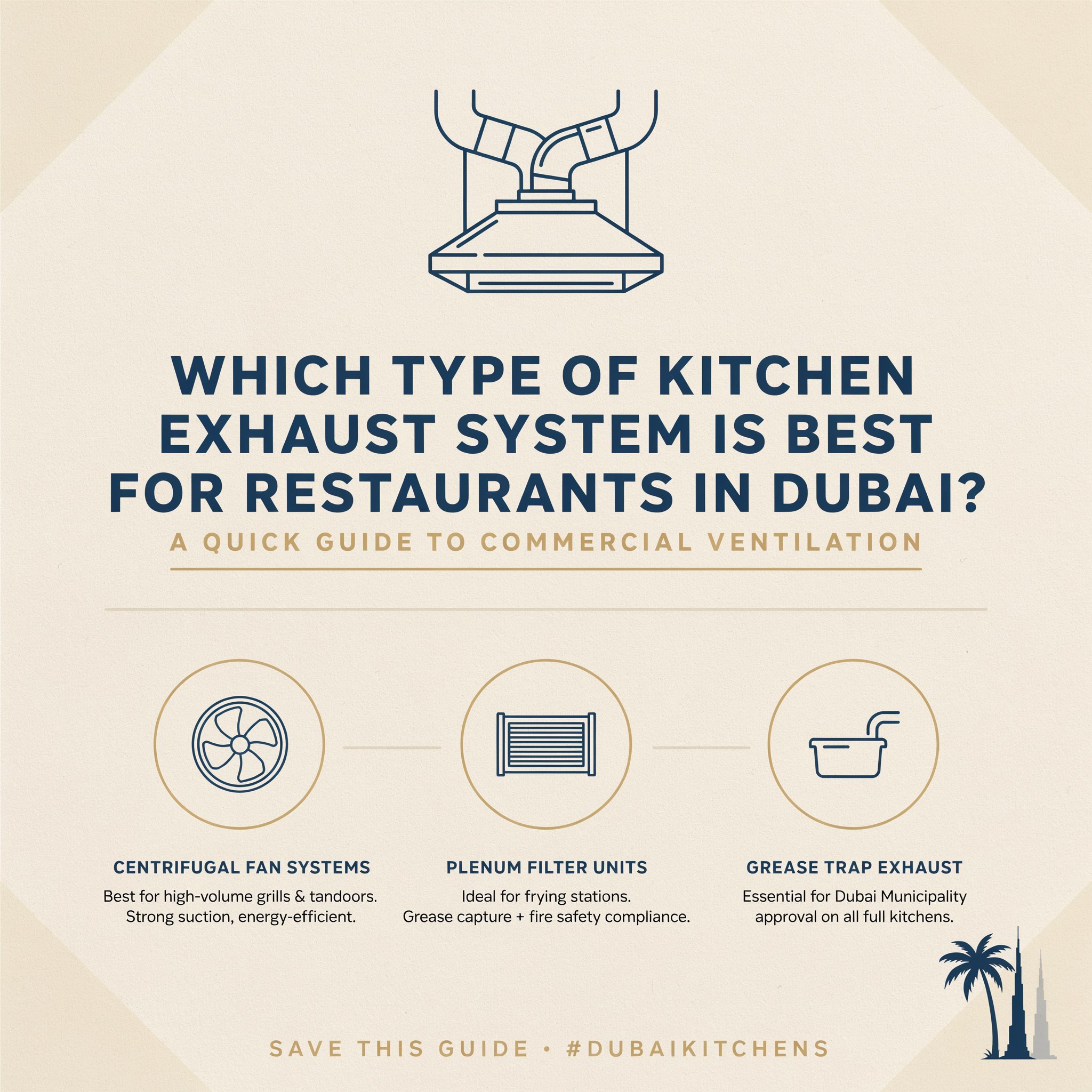
Running a successful restaurant in Dubai demands more than great food and exceptional service. Behind every thriving commercial kitchen is an infrastructure that keeps the environment safe, clean, and fully operational. One of the most critical yet often underestimated components of that infrastructure is the kitchen exhaust system.
Dubai’s restaurant industry is one of the most competitive and heavily regulated in the world. With extreme outdoor temperatures, stringent fire safety codes, and growing expectations around indoor air quality, restaurant owners and facility managers cannot afford to overlook their ventilation setup. A well designed kitchen exhaust system removes heat, smoke, grease particles, steam, and odors from the cooking area, protecting staff, customers, and the physical structure of the building.
Choosing the wrong system or failing to maintain the right one can lead to regulatory violations, increased fire risk, uncomfortable working conditions, and ultimately a damaged reputation. This guide walks through everything restaurant operators in Dubai need to know about kitchen exhaust systems, from understanding the different types available to selecting the best solution for their specific operation.
Understanding Kitchen Exhaust Systems
What Is a Kitchen Exhaust System
A kitchen exhaust system is a mechanical ventilation setup installed above or around commercial cooking equipment to capture and remove airborne contaminants generated during the cooking process. These contaminants include grease laden vapors, smoke, carbon monoxide, steam, heat, and strong odors. The system draws these pollutants away from the cooking zone and expels them safely outside the building through a series of ducts, fans, and filters.
In a commercial restaurant environment, the volume and intensity of these contaminants is significantly higher than in a domestic kitchen. This makes a properly engineered exhaust system not just a comfort feature but an absolute operational necessity.
Why Restaurants Need Effective Ventilation
Effective ventilation in a commercial kitchen serves multiple purposes simultaneously. First, it protects the health and safety of kitchen staff by preventing the buildup of harmful fumes and excessive heat. Second, it reduces the risk of grease fires, which are among the most common causes of restaurant fires globally and in the UAE specifically.
Beyond safety, proper ventilation contributes to a better dining experience. Diners expect clean, odor free environments, and a kitchen that lacks adequate exhaust management can allow unwanted smells to drift into dining areas. Additionally, a well ventilated kitchen maintains stable temperatures, which supports the consistent performance of cooking equipment and preserves food quality standards.
Main Components of a Commercial Exhaust System
A complete commercial kitchen exhaust system typically consists of several integrated components working together. The exhaust hood sits directly above cooking equipment and acts as the primary capture point for rising heat and vapors. Grease filters inside the hood trap grease particles before they enter the ductwork. The duct system channels captured air from the hood to the exterior of the building. Exhaust fans, usually roof mounted or wall mounted, generate the suction required to pull air through the system. Makeup air units replace the exhausted air with fresh, conditioned air to maintain pressure balance inside the kitchen. Fire suppression systems are often integrated within the hood assembly to respond automatically in the event of a grease fire.
Importance of Kitchen Exhaust Systems in Dubai Restaurants
Climate Challenges in Dubai
Dubai’s climate presents unique challenges for commercial kitchen operators. With outdoor temperatures regularly exceeding 40 degrees Celsius during summer months, the thermal load on a commercial kitchen is considerably higher than in more temperate climates. Without an effective exhaust system, internal kitchen temperatures can become dangerously high, creating health risks for kitchen staff and reducing the efficiency of refrigeration and cooking equipment.
A properly sized and installed kitchen exhaust system in Dubai must account for these extreme external conditions. The system needs to manage not only the heat generated by cooking equipment but also work in coordination with air conditioning systems to maintain a safe and comfortable internal environment year round.
Indoor Air Quality Requirements
Indoor air quality in commercial kitchens directly affects staff productivity, health outcomes, and customer perceptions. Grease particles suspended in the air can coat surfaces, create slip hazards, and contribute to poor hygiene scores during inspections. Carbon monoxide from gas burning equipment can accumulate without adequate ventilation, posing serious health risks.
The UAE has established indoor air quality guidelines that commercial establishments, including restaurants, are expected to follow. A high performance kitchen ventilation system UAE wide must address these air quality benchmarks consistently to maintain a healthy environment and support positive inspection outcomes.
Fire Safety Considerations
Grease accumulation is the leading cause of commercial kitchen fires. When grease vapor is not effectively captured and filtered, it coats ducts, fans, and surrounding surfaces. Over time, this creates a highly flammable environment that can ignite from a single spark or heat source. Dubai Civil Defence has strict fire safety regulations that all commercial kitchens must comply with, and the condition and performance of exhaust systems are directly assessed during fire safety inspections.
A correctly installed and regularly maintained grease extraction system dramatically reduces the volume of grease depositing within ductwork, significantly lowering fire risk and supporting ongoing compliance with fire safety codes.
Regulatory Compliance for Restaurants
Restaurant operators in Dubai are subject to oversight from multiple regulatory bodies including Dubai Municipality, Dubai Civil Defence, and various free zone authorities depending on location. These bodies set standards for kitchen ventilation, air quality, fire suppression integration, and hygiene management. Non compliance can result in fines, forced closures, or the refusal of trade license renewals.
Selecting a kitchen exhaust system that meets or exceeds these regulatory requirements from the outset is far more cost effective than retrofitting systems after a failed inspection. Working with experienced providers ensures that installations align with all current Dubai restaurant compliance standards.
Types of Kitchen Exhaust Systems Used in Restaurants
Type One Kitchen Exhaust Systems
Type One kitchen exhaust systems are specifically engineered to handle grease laden vapors and smoke produced by cooking equipment that uses open flames or generates significant grease output. These include fryers, griddles, charbroilers, ranges, and woks. Type One hoods are equipped with grease filters and are required to be connected to fire suppression systems in most jurisdictions, including Dubai.
These systems are the standard choice for most full service restaurants and fast food operations where heavy duty cooking takes place continuously. The robust filtration built into Type One systems ensures that grease is captured efficiently before it can accumulate in ductwork, reducing maintenance demands and improving fire safety outcomes. For any restaurant operating high intensity cooking equipment, a Type One commercial kitchen exhaust system is not optional but mandatory.
Type Two Kitchen Exhaust Systems
Type Two kitchen exhaust systems are designed to handle heat, steam, and odors produced by equipment that does not generate grease. Examples include dishwashers, steamers, ovens used for reheating, and coffee machines. These systems do not require grease filters or fire suppression integration because the contaminants they manage do not create a grease fire hazard.
Type Two systems are commonly used in cafes, bakeries, and specific stations within larger kitchens where non grease generating equipment operates independently. They are also appropriate for areas like warewashing zones where steam and moisture are the primary concerns. Choosing the right hood type for each piece of equipment is essential for both safety and regulatory compliance.
Wall Mounted Exhaust Systems
Wall mounted exhaust systems are installed against a wall directly above cooking equipment positioned along the kitchen perimeter. Because the wall acts as a physical barrier on one side, these hoods only need to capture contaminants from three rather than four, making them highly efficient for the cooking volumes they serve. They are a popular choice for smaller commercial kitchens and restaurant setups where cooking lines are arranged along walls rather than in central island configurations.
Island Exhaust Systems
Island exhaust systems are suspended from the ceiling above cooking equipment located in the center of the kitchen, away from walls. These hoods must capture rising contaminants from all four sides and are therefore typically larger and more powerful than wall mounted alternatives. Island systems are common in high volume hotel kitchens and fine dining establishments where open kitchen layouts or central cooking stations are preferred for both workflow and aesthetic reasons.
Makeup Air Systems
Makeup air systems are a critical but frequently overlooked component of commercial kitchen ventilation. When an exhaust system removes air from the kitchen, that air must be replaced to maintain neutral air pressure. Without adequate makeup air, negative pressure builds up inside the kitchen, causing exhaust systems to work harder and less efficiently, doors to become difficult to open, and air to be drawn in from uncontrolled sources such as dining areas.
Makeup air units supply fresh, filtered, and often pre-conditioned air directly into the kitchen at a rate that matches the exhaust volume. In Dubai’s climate, makeup air systems typically include cooling capability to ensure the incoming air does not add to the thermal load of the kitchen during summer months.
Demand Controlled Ventilation Systems
Demand controlled ventilation systems represent the most technologically advanced approach to commercial kitchen air management. These systems use sensors to monitor actual conditions within the kitchen in real time, including the presence of heat, smoke, and grease vapor, and automatically adjust fan speeds and airflow rates to match actual ventilation demand rather than running at a fixed maximum rate continuously.
The primary advantage of demand controlled ventilation is energy efficiency. When cooking activity is low, the system reduces its operational intensity, consuming significantly less energy. As cooking activity increases, the system responds instantly to ensure adequate ventilation is maintained. For restaurants in Dubai looking to reduce energy consumption without compromising kitchen air quality, demand controlled ventilation systems offer a highly effective solution.
Factors to Consider When Choosing the Best Kitchen Exhaust System
Restaurant Size
The physical dimensions of a restaurant kitchen directly influence the specification of an exhaust system. A larger kitchen with more cooking stations requires a system capable of moving significantly more air volume. Undersizing the exhaust capacity of a large kitchen leads to inadequate contaminant capture, poor air quality, and compliance failures. Professional assessment of the kitchen’s cubic volume and layout is the starting point for any exhaust system specification.
Cooking Equipment
The type and intensity of cooking equipment in use is one of the most important factors in exhaust system selection. High heat equipment such as charbroilers and tandoor ovens produce far more heat, smoke, and grease than steamers or convection ovens. The exhaust system must be matched to the specific thermal and contaminant output of the equipment it serves. Mismatching equipment output with exhaust capacity is a common and costly error.
Menu Type
A restaurant’s menu directly determines what kind of cooking takes place and therefore what the exhaust system needs to manage. A South Asian restaurant preparing large volumes of fried and spiced dishes generates very different ventilation demands compared to a European style bistro serving predominantly baked or grilled dishes. Menu driven analysis helps ensure that the exhaust system specification genuinely reflects real world operational demands.
Ventilation Requirements
Dubai’s regulatory environment sets specific ventilation requirements for commercial kitchens based on kitchen size, equipment type, and restaurant classification. These requirements determine minimum airflow rates, filter specifications, duct construction standards, and fire suppression integration mandates. All exhaust system installations must meet or exceed these requirements to achieve regulatory approval and maintain ongoing compliance.
Energy Efficiency
Energy efficiency is an increasingly important consideration for restaurant operators in Dubai, both from a sustainability perspective and an operational one. Exhaust systems that run at full capacity continuously regardless of actual cooking activity consume unnecessary energy. Systems incorporating variable speed drives and demand controlled ventilation technology offer measurable energy savings without compromising ventilation performance.
Maintenance Needs
All commercial exhaust systems require regular maintenance to perform safely and effectively. The frequency and complexity of maintenance depends on the system type, cooking volume, and menu characteristics. Restaurants should consider the long term maintenance demands of any system they install and ensure they have access to qualified service providers who can deliver consistent maintenance support. Neglecting maintenance is the most common cause of exhaust system failure and regulatory non compliance.
Future Expansion Plans
Restaurant operators with plans to expand their menu offerings, add cooking stations, or increase seating capacity should factor these future changes into their exhaust system specification. Installing a system that only meets current needs may require costly modifications when expansion occurs. A forward thinking approach to system design ensures that infrastructure investment remains appropriate as the business grows.
Which Kitchen Exhaust System Is Best for Different Restaurant Types
Fast Food Restaurants
Fast food restaurants typically operate high intensity cooking equipment including fryers, griddles, and broilers continuously throughout operating hours. These environments generate substantial volumes of grease vapor, smoke, and heat. Type One exhaust systems with high capacity grease filters and robust fire suppression integration are the standard requirement. Demand controlled ventilation can also be beneficial in fast food environments to manage energy consumption during lower activity periods such as early morning or late evening.
Fine Dining Restaurants
Fine dining restaurants often feature a combination of cooking techniques and premium equipment, including induction cookers, wood fired ovens, and specialty grills. The exhaust system specification for a fine dining kitchen must accommodate this variety while also supporting the quiet, sophisticated atmosphere expected in upscale dining. Island exhaust systems are commonly preferred in fine dining kitchens for their aesthetic flexibility and their ability to accommodate central kitchen layouts.
Hotel Kitchens
Hotel kitchens are among the most complex commercial kitchen environments in Dubai. They typically serve multiple outlets simultaneously, including restaurants, room service, banqueting, and staff cafeterias. The scale and diversity of cooking operations demands a sophisticated, zoned ventilation approach with robust makeup air systems and often demand controlled ventilation to manage the varying load profiles of different service periods. Restaurant kitchen ventilation Dubai wide must meet the highest standards in hotel environments due to the volume and visibility of operations.
Cloud Kitchens
Cloud kitchens, also known as ghost kitchens or dark kitchens, are a rapidly growing segment of Dubai’s food service industry. These facilities often house multiple independent brands operating in compact, shared or divided kitchen spaces. Efficient use of space is critical, making compact and precisely specified exhaust systems important. Each cooking zone within a cloud kitchen must be individually assessed and equipped with the appropriate exhaust solution to prevent cross contamination of air between brands and to meet individual compliance requirements.
Cafes and Bakeries
Cafes and bakeries generally produce lower volumes of grease vapor compared to full service restaurants, though they do generate significant steam and heat, particularly from espresso machines, commercial ovens, and proofing equipment. Type Two exhaust systems are often appropriate for these environments, supplemented by makeup air units to maintain air balance. In some cafe environments that include light cooking, a combination of Type One and Type Two solutions may be required to address all equipment present.
Common Mistakes Restaurants Make When Selecting Exhaust Systems
Choosing the Wrong Hood Type
One of the most frequent errors restaurant operators make is selecting a hood type that does not match the cooking equipment it serves. Installing a Type Two hood above grease generating equipment, for example, creates an immediate compliance and safety issue. Equipment classification must be assessed accurately before any hood selection is made.
Ignoring Air Balance
Air balance refers to the relationship between the volume of air exhausted from the kitchen and the volume of makeup air supplied to replace it. Many restaurants invest in powerful exhaust systems but fail to install adequate makeup air supply, resulting in negative pressure conditions that reduce system effectiveness, increase energy consumption, and create uncomfortable working environments. Air balance must be engineered as part of a complete ventilation solution, not as an afterthought.
Poor Maintenance Planning
Purchasing and installing a high quality exhaust system is only the first step. Without a structured maintenance program, performance deteriorates rapidly and compliance risks increase. Many restaurant operators underestimate how frequently grease filters need cleaning or how quickly grease accumulates in ductwork under high volume cooking conditions. Establishing a maintenance schedule at the point of installation is essential for long term system integrity.
Overlooking Compliance Requirements
Some restaurant operators attempt to reduce installation complexity by selecting systems that meet minimum rather than appropriate standards for their specific environment. This approach frequently results in failed inspections, forced upgrades, and operational disruptions. Understanding the full scope of applicable Dubai restaurant compliance requirements before specifying a system ensures that installations are correct from day one.
How BMT Services LLC Supports Restaurant Ventilation Projects
Professional Assessment
BMT Services LLC begins every restaurant ventilation project with a thorough professional assessment of the kitchen environment. This includes evaluating kitchen dimensions, cooking equipment specifications, menu types, existing infrastructure, and applicable regulatory requirements. This assessment forms the foundation for all subsequent system recommendations and ensures that proposed solutions genuinely match the operational realities of each client.
System Design Expertise
With deep experience in commercial kitchen exhaust system design across Dubai and the wider UAE, BMT Services LLC provides engineering led ventilation solutions that balance performance, compliance, and efficiency. The team’s expertise covers the full range of system types, from standard Type One and Type Two installations to complex demand controlled ventilation projects for large scale hotel kitchens and multi brand cloud kitchen facilities.
Installation Standards
BMT Services LLC executes all kitchen exhaust installations to the highest standards of quality and compliance. Installation teams follow current Dubai Civil Defence and Dubai Municipality guidelines and ensure that all ductwork, fan specifications, fire suppression integration, and makeup air configurations meet applicable requirements. Careful installation is fundamental to long term system performance and regulatory approval.
Maintenance and Performance Optimization
Beyond installation, BMT Services LLC supports restaurant clients with structured maintenance programs designed to keep exhaust systems performing at peak efficiency throughout their operational life. Regular inspections, filter cleaning, duct cleaning, fan performance checks, and compliance documentation are all part of the ongoing service offering. This proactive approach helps clients avoid unexpected failures, maintain compliance, and extend the operational lifespan of their ventilation infrastructure.
Benefits of Installing the Right Kitchen Exhaust System
Improved Air Quality
The right exhaust system consistently removes heat, grease, smoke, steam, and odors from the kitchen environment, maintaining clean air throughout the working day. This directly benefits staff health and comfort, reduces hygiene risks, and contributes to better overall kitchen conditions.
Enhanced Fire Safety
Proper grease extraction reduces the accumulation of flammable deposits in ductwork and on surfaces, significantly lowering the risk of kitchen fires. Combined with integrated fire suppression systems, a correctly specified exhaust solution provides a robust first line of defense against one of the most serious risks facing any commercial kitchen.
Better Employee Comfort
Kitchen staff working in a well ventilated environment experience lower physical stress, better concentration, and reduced fatigue. Comfortable working conditions contribute to staff retention, consistent performance, and a lower rate of heat related illness, all of which have direct operational and financial implications for restaurant management.
Increased Equipment Performance
Cooking equipment operates more efficiently in a well ventilated kitchen. Excessive heat buildup around equipment reduces its performance and can shorten operational lifespan. Effective exhaust systems maintain ambient temperatures within optimal ranges, supporting consistent equipment output and reducing maintenance demands.
Regulatory Compliance
A correctly specified, professionally installed, and regularly maintained exhaust system keeps restaurants in full compliance with Dubai’s ventilation, fire safety, and hygiene regulations. This protects trade licenses, supports positive inspection outcomes, and reduces the risk of operational disruptions caused by compliance failures.
Long Term Operational Efficiency
The right exhaust system, particularly one incorporating demand controlled ventilation technology, delivers meaningful energy savings over time. Combined with reduced maintenance demands from proper filtration and regular servicing, the right system contributes to lower operational costs and a more sustainable kitchen environment.
Frequently Asked Questions
1: What is the difference between Type One and Type Two kitchen exhaust systems?
Type One systems are designed for cooking equipment that produces grease laden vapors and smoke, such as fryers and griddles. They include grease filters and fire suppression systems. Type Two systems handle heat, steam, and odors from non grease producing equipment like dishwashers and steamers. They do not require grease filtration or fire suppression integration.
2: How often should restaurant exhaust systems be inspected?
The frequency depends on cooking volume and menu type. High volume kitchens with heavy grease producing equipment typically require inspection and cleaning every one to three months. Lower volume operations may require inspections every six months. Dubai Civil Defence guidelines and insurance requirements may specify minimum inspection frequencies for commercial kitchens.
3: Why is makeup air important in commercial kitchens?
Makeup air replaces the air removed by the exhaust system, maintaining neutral air pressure within the kitchen. Without adequate makeup air supply, negative pressure develops, causing exhaust systems to operate inefficiently, creating uncomfortable working conditions, and potentially drawing unfiltered air from dining areas into the kitchen.
4: Can exhaust systems improve energy efficiency?
Yes. Demand controlled ventilation systems use sensors to monitor kitchen activity and automatically adjust fan speeds to match actual ventilation requirements. This eliminates the energy waste of running systems at full capacity during low activity periods and can deliver significant energy savings over the course of a year.
5: What factors determine the best exhaust system for a restaurant?
The most important factors include kitchen size, the type and intensity of cooking equipment in use, menu characteristics, applicable regulatory requirements in Dubai, available space for ductwork and fan installation, energy efficiency priorities, and long term maintenance considerations. Professional assessment by an experienced ventilation specialist is the most reliable way to identify the optimal solution for any specific restaurant environment.
Conclusion
Selecting the right kitchen exhaust system is one of the most consequential decisions a restaurant operator in Dubai will make. The choice affects kitchen safety, employee wellbeing, regulatory standing, energy performance, and the long term sustainability of the entire operation. With Dubai’s unique climate challenges, strict compliance environment, and increasingly competitive restaurant landscape, there is no room for compromise when it comes to commercial kitchen ventilation.
From understanding the difference between Type One and Type Two systems to evaluating the merits of demand controlled ventilation for energy efficiency, every decision should be informed by a thorough understanding of the specific operational demands of the restaurant and the regulatory requirements that govern it.
BMT Services LLC brings the expertise, experience, and commitment to quality that Dubai’s restaurant industry demands. From initial assessment and tailored system design through to professional installation and ongoing maintenance support, BMT Services LLC helps restaurant owners, hotel kitchen managers, cloud kitchen operators, and hospitality businesses across the UAE achieve kitchen environments that are safe, compliant, efficient, and built to perform.